The Systemic Risk Council
Current news
Latest statements
Press release
Press release after 53rd meeting
16 June 2026
Global growth has so far proved robust in the face of the war in the Middle East and the continued high level of trade policy uncertainty. Global uncertainty has only to a limited extent affected the financial markets, where risk appetite remains high. The high increases in house prices in the capital area – and now also Aarhus – indicate that risks continue to build up in the housing market. At the same time, credit growth for housing purposes has increased in the municipalities in the capital region. In the Faroe Islands, cyclical systemic risks have been building up over a prolonged period and are at an elevated level. The Council recommends that the countercyclical capital buffer in the Faroe Islands be increased from 1 per cent to 2 per cent. The Council assesses that the countercyclical capital buffer in Denmark should be maintained at 2.5 per cent, and that a buffer rate of 1 per cent remains appropriate in Greenland.
Recommendation
Increase in the systemic risk buffer rate of the Faroe Islands
16 June 2026
The Systemic Risk Council recommendsthat the Minister of Taxation and Economic Growth increases the countercyclical capital buffer rate in the Faroe Islands from 1 per cent to 2 per cent from 30 September 2027.
Føroya Vådaråd, the Faroese systemic risk council, supports this decision.
Upcoming meetings


Members of the Council
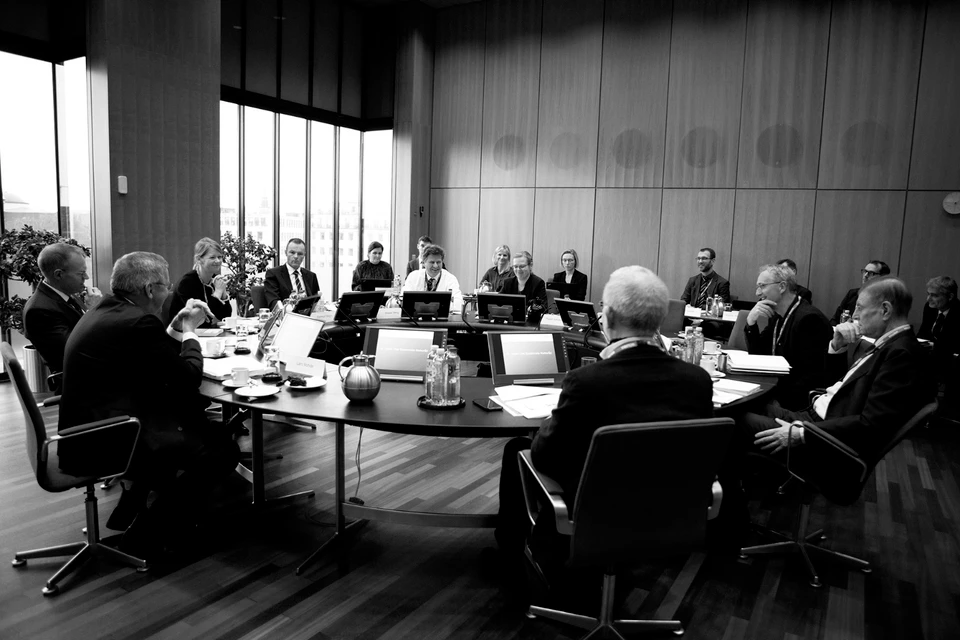
The Council consists of the following members:
- Two representatives from Danmarks Nationalbank, one being the chairman of the Board of Governors of Danmarks Nationalbank and chairing the Council.
- Two representatives from the Danish Financial Supervisory Authority.
- One representative from each of the following economic ministries: Ministry of Taxation and Economic growth, Ministry for Economic Affairs and Ministry of Finance.
- Three independent experts with knowledge of financial matters.